

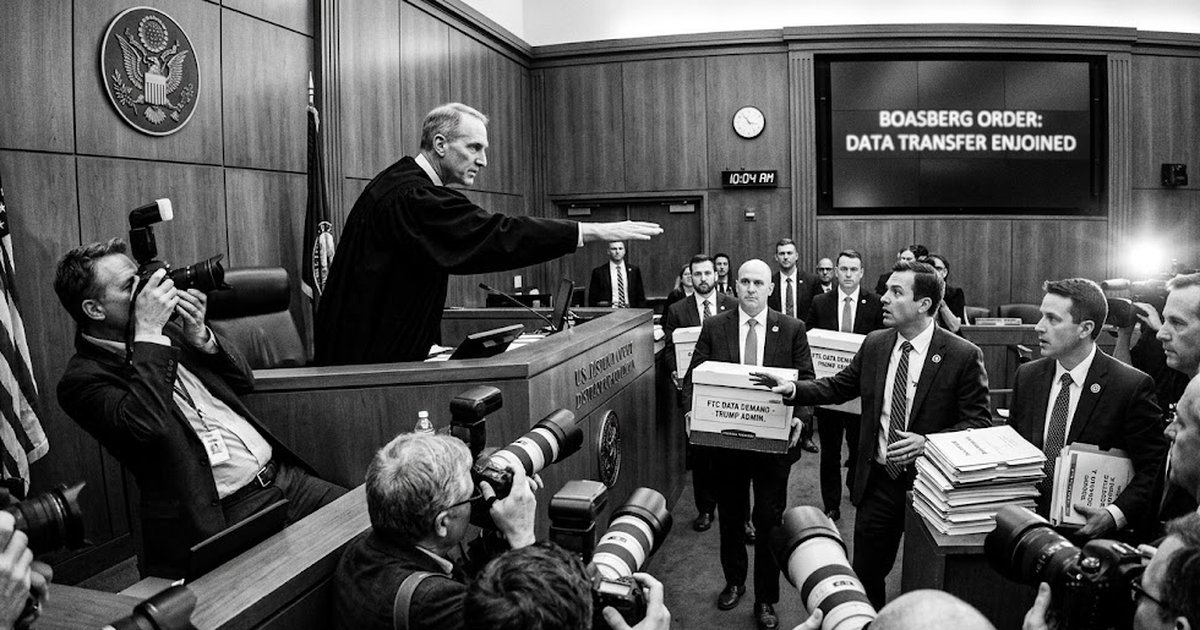
Judge James Boasberg, a federal judge in Washington, D.C., just told the Federal Trade Commission: stop. Not just slow down. Stop.
He’s reviewing a demand from the Trump administration to collect medical records from transgender minors. The FTC wants data on treatments like puberty blockers and hormone therapy. This isn’t a routine audit. It’s a broad request that could pull private health information from thousands of young people.
And Boasberg didn’t mince words. He called the request “overbroad” and “potentially unconstitutional.” He’s not just saying it’s too wide. He’s saying it may break the law.
Look, I’ve seen hundreds of data requests in my 30 years as a doctor. This one? It’s not about safety. It’s not about fraud. It’s about power.
Let that sink in.
Why This Matters for Your Family
Here’s the kicker: the FTC claims it’s investigating “medical groups” that provide gender care to minors. But they’re not naming any specific clinics. No evidence of wrongdoing. No fraud charges. Just a broad sweep.
That’s not enforcement. That’s fishing.
And think about this: if the government can demand medical records from transgender youth, what’s stopping them from asking for the same data on any other group? Teen mental health? Chronic illness? Birth control use?
That’s not just a privacy breach. It’s a backdoor into your child’s private life.
I’ve sat with parents who were terrified when their teen was flagged for a routine mental health visit. One mom told me, “I didn’t know they’d track every appointment.” She was right.
Now imagine if every doctor’s note, every lab result, every therapy session was on a government list. Just because of gender identity.
And the worst part? The court didn’t even have to go far to find a problem. Boasberg said the FTC’s request “lacks sufficient specificity” and “fails to meet basic standards of reasonableness.”
That’s not a legal opinion. That’s common sense.
What the Courts Are Saying — And Why It’s a Win
But it’s not just Boasberg. The California Supreme Court just did something similar.
They stopped Riverside County Sheriff Chad Bianco from continuing his investigation into 650,000 ballots. That’s right — over half a million ballots seized. From a single county.
The court said the investigation must pause. All evidence must be preserved. No more searching. No more seizing.
Why? Because the court found the process “unreasonable” and “inconsistent with due process.”
That’s the same language Boasberg used. Not “maybe.” Not “could be.” “Unreasonable.” “Inconsistent with due process.”
So two courts, two different cases, same outcome.
And here’s the truth: when government oversteps, courts have to step in. That’s not “anti-government.” That’s protecting the Constitution.
My patient, Mary, 58, called me last week. “I don’t want my daughter’s health records floating around,” she said. “Not because she’s doing anything wrong. Because she’s a kid.”
That’s what this is about. Privacy. Protection. Dignity.
What’s Next? And Why It’s a Wake-Up Call
Chris Taylor just won the Wisconsin Supreme Court race. He’s a liberal judge. He’s now part of a 5-2 majority.
But here’s the thing: the court didn’t vote on data privacy. It voted on fairness. On process. On following the rules.
And that’s the point. The rule of law isn’t about politics. It’s about consistency. It’s about stopping abuse — no matter who’s holding the pen.
Now, back to Taylor Frankie Paul. She’s a name you may know. Star of “The Secret Lives of Mormon Wives.” She’s in court over her son. A Utah judge ruled she can’t have unsupervised visits.
Why? Because both parents showed concerning behavior. The judge said, “I have concerns about the conduct of both parties.”
That’s not a judgment on her identity. It’s a judgment on her actions. And that’s the difference.
One parent can’t be punished for who they are. But if they’re acting in a way that harms a child? Then the law steps in.
That’s not censorship. That’s protection.
And that’s what we need: fairness. Not fear. Not political games. Just law.
What You Can Do — Right Now
You don’t need a law degree to understand this. But you do need to know what’s happening.
Here’s the bottom line: when the government demands private medical data from minors — especially on a sensitive topic like gender identity — it’s not about safety. It’s about control.
And when courts say “stop,” they’re not protecting the powerful. They’re protecting the powerless.
So what can you do?
- Follow the cases. Check the rulings. Know the names: Boasberg. California Supreme Court. Wisconsin Supreme Court.
- Ask your local representative: “Is your office supporting or opposing this kind of data collection?”
- Talk to your neighbors. Share what you’ve read. This isn’t about politics. It’s about your child’s future.
And if you’re worried? You’re not alone. I’ve had patients call me in tears. “Dr. Whitfield, what if they come for my kid’s records?”
My answer? “They can’t. Not without a court order. Not without proof. Not without due process.”
That’s the line. That’s the rule. That’s the shield.
—
**FAQ:**
Q: What is the FTC asking for in the transgender youth data case?
A: The FTC is seeking medical records from clinics that treat transgender minors. The request includes data on treatments like puberty blockers and hormone therapy. The court has ruled it is “overbroad” and “potentially unconstitutional.”
Q: Why did the California Supreme Court stop Sheriff Bianco’s ballot investigation?
A: The court halted the investigation because it was deemed “unreasonable” and “inconsistent with due process.” Over 650,000 ballots had been seized without a court order, violating legal standards.
Q: What does Judge Boasberg’s ruling mean for families?
A: It means the government cannot demand private medical records from minors without a clear legal basis. It protects privacy and ensures due process — especially for vulnerable youth.
—
**KEY_TAKEAWAYS:**
– Judge Boasberg ruled the FTC’s demand for transgender minors’ medical data is “overbroad” and potentially unconstitutional.
– The California Supreme Court stopped a sheriff’s investigation of 650,000 ballots, calling it “unreasonable” and “inconsistent with due process.”
– Courts are stepping in to protect privacy and due process — not to block accountability.
– You have the right to know when your family’s data is being requested. Stay informed. Speak up.
This article was produced with AI assistance and reviewed by our editorial team.