
A Record-Breaking Number
The numbers are in, and they’re shocking. Americans now owe a staggering $1.14 trillion in credit card debt. That figure comes straight from a 2024 report by the Federal Reserve Bank of New York.
It’s a new record for the United States—no kidding. It really highlights how much pressure families are feeling these days. But what does a trillion dollars even *mean* for a normal person?
Let’s break it down. When you divide that massive number, it means the average household carries thousands of dollars in debt. Think about that. It’s not just a big number on a screen; it’s a daily stress for millions of families.
Many people feel like they’re all alone when they look at their credit card bills. You might feel like you’re the only one struggling. But the data shows that’s just not true.
More and more Americans are relying on plastic to get by. We’re seeing a huge shift in how people pay for their lives. This debt crisis affects almost everyone in some way.
Inflation Pushes Families to the Brink
So, why are credit card balances growing so fast? The main culprit is inflation. The cost of living is way higher now than it was a few years ago.
The Bureau of Labor Statistics tracks those price changes every month. Their data shows that food, housing, and auto insurance cost a lot more today. And paychecks just haven’t grown fast enough to keep up.
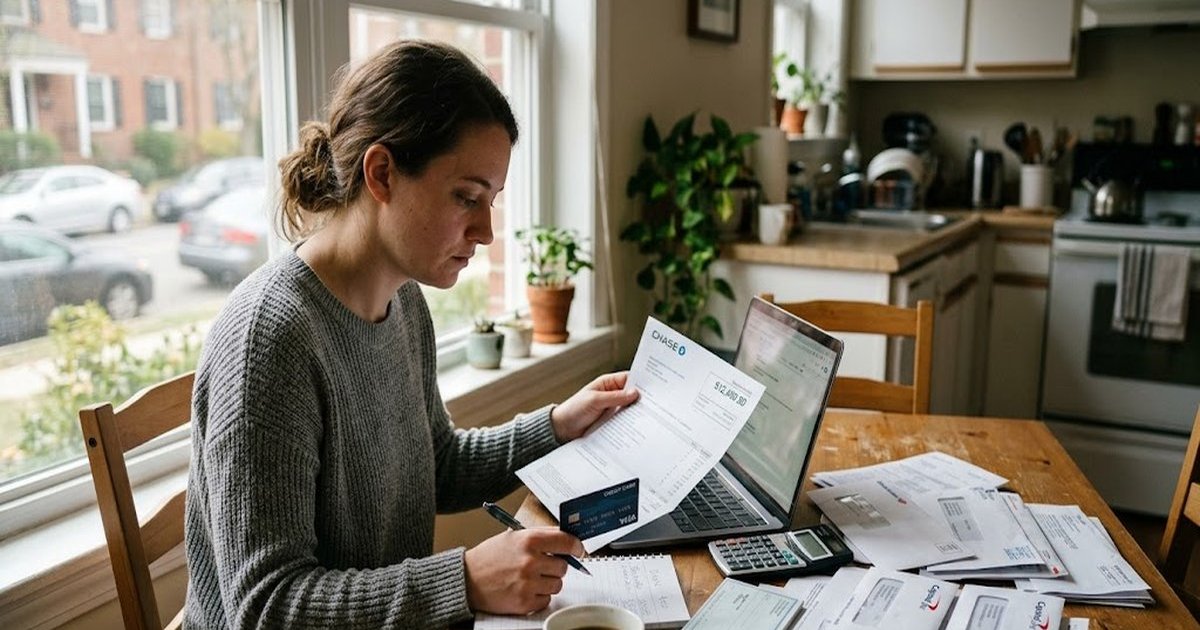
When families run out of cash, they reach for their credit cards. People aren’t just buying fancy clothes or taking big trips; they’re buying groceries and paying for car repairs.
Ted Rossman, a senior industry analyst at Bankrate, explained this trend. He said, “More people are carrying debt from month to month just to cover basic living expenses.” Classic misdirection, right?
It’s a tough spot to be in. When you use a credit card for food, you end up paying interest *on* that food. A box of cereal can end up costing you twice as much over time!
Interest Rates Are at Historic Highs
It’s not just the amount of debt that’s a problem; it’s how much that debt costs. Credit card interest rates are painfully high right now.
According to the Consumer Financial Protection Bureau, the average credit card interest rate recently topped 22 percent. That’s the highest average rate recorded in decades—a scary thought.
Why are rates so high? Well, it starts with the government. The Federal Reserve sets a benchmark interest rate for the whole country. They raised that rate rapidly over the past few years to fight inflation.
When the government raises rates, the banks follow right behind. A 2024 report by the Consumer Financial Protection Bureau noted this danger. The report stated, “Credit card interest rate margins have reached all-time highs.”
That makes borrowing money super expensive. If you carry a balance, a huge chunk of your monthly payment just goes to interest – it doesn’t even touch the main balance you owe.
The Trap of Minimum Payments
Your credit card statement always shows a “minimum payment” amount. It looks small and manageable. But this is a dangerous trap for your wallet.
If you only pay the minimum, you’ll stay in debt for years. Most of that small payment goes straight to interest. Only a tiny bit pays down the actual items you bought.
Let’s look at a real example. Imagine you owe $5,000 on a card with a 22 percent interest rate. If you only pay $100 a month, it’ll take you over nine years to pay it off.
You’d also pay more than $6,000 in interest alone. That’s more than you borrowed in the first place! The minimum payment is designed to keep you trapped in debt.
Financial experts always warn against this trap. You *have* to pay more than the minimum if you want to get out of debt. Even an extra $20 a month can make a huge difference, no kidding.
When Payments Fall Behind
As debt grows and rates rise, some people can’t keep up. More Americans are falling behind on their credit card bills. It’s a serious situation.
What happens then? Well, banks get nervous. They might lower your credit limit or even close your account if you don’t use it often.
They might also be less willing to give you a loan for a car or a house. Lenders are getting cautious; they want to protect their money.
You need to protect yourself in this tough environment. Keep a close eye on your credit score. Read your mail and emails from your credit card company—it’s important.
The law says they must tell you if they change your interest rate. Don’t ignore those legal notices. Being informed is your best defense against unwelcome surprises.
What This Means For Your Daily Life
Macro economics can sound boring, but national debt trends affect your daily life right now. The $1.14 trillion debt pile means banks are becoming more careful.
Because people are struggling, banks might lower your credit limit. They might even close your account if you don’t use it often.
They might also be less willing to give you a loan for a car or a house. Lenders are getting nervous. They want to protect their money from risk.
You need to protect yourself in this strict environment. Keep a close eye on your credit score. Read your mail and emails from your credit card company.
The law says they must tell you if they change your interest rate. Don’t ignore those legal notices. Being informed is your best defense against bad surprises.
Three Ways to Take Back Control
You don’t have to be part of this trillion-dollar problem forever. There are real steps you can take today to protect your wallet. You can start by paying down your balances.
First, create a strict spending plan. You need to know exactly where your money goes every month. Cut out things you don’t need, and put that cash toward your debt.
Second, use the “debt avalanche” method. Look at all your credit cards. Find the one with the highest interest rate—that’s your priority.
Put all your extra money toward that card first. Pay the minimum on the rest. When the highest rate card is paid off, move on to the next one.
Third, look into a balance transfer. Some banks offer cards with zero percent interest for a year or more. You can move your high-interest debt to one of those cards.
That gives you a break from those brutal interest charges. But you *must* pay off the balance before the zero percent offer ends. Otherwise, the high interest comes right back.
The Path Forward
The $1.14 trillion credit card debt is a wake-up call for America. It shows that the rising cost of living has a real price. Families are hurting.
But knowing the facts gives you power. Now you know that inflation is driving this trend. You know that high interest rates make the debt worse.
You also know that minimum payments are a trap. The rules of the game are set up to benefit the banks. You have to play smart to protect yourself.
Take a deep breath and look at your own statements. Make a plan to pay more than the minimum. Little by little, you can chip away at what you owe.
You can protect your wallet, even when the national economy is struggling. It takes time and hard work, but financial peace is always worth the effort.
Frequently Asked Questions
What happens if I only pay the minimum on my credit card?
If you only pay the minimum, most of your payment goes toward interest charges instead of the main balance. It will take you much longer to pay off what you owe. You’ll also end up paying thousands of extra dollars in interest over time.
Why are credit card interest rates so high right now?
Credit card rates are tied to the benchmark rate set by the government. The Federal Reserve raised rates to fight inflation over the past few years. When the government’s rate goes up, credit card companies raise their rates too.
How does a zero percent balance transfer card work?
A balance transfer card lets you move high-interest debt to a new card with a much lower rate. Many offer zero percent interest for a limited time, like 12 to 18 months. This helps you pay down the main balance without adding more interest charges.