
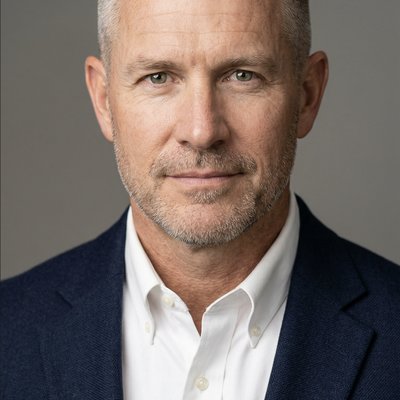
Live Update: Schiff Charges Trump With War Powers Act Violation
On Sunday, Sen. Adam Schiff (D-CA) made a direct accusation against President Donald Trump: he “absolutely not” followed the War Powers Act. The statement came during an interview on NBC’s “Meet the Press.”
That’s not a mild critique. It’s a formal legal challenge. And it’s happening now — live.
As a veteran who’s served overseas, I’ve seen what happens when military decisions are made without clear legal authority. I’ve seen the strain on families when service members are deployed without a clear mission. That’s why this matters.
Here’s what we know: The War Powers Act, passed in 1973, requires the President to notify Congress within 48 hours of sending troops into conflict. It also limits combat deployments to 60 days unless Congress approves an extension.
But Schiff didn’t just say “there’s a concern.” He said Trump “absolutely not” followed the law. That’s a strong word. It’s not speculation. It’s a quote from a sitting U.S. Senator.
And it’s not the only sign something’s off.
Why This Matters to American Families
Let that sink in. A sitting U.S. Senator is saying the Commander-in-Chief broke federal law.
That’s not just political drama. That’s real. It affects every family with someone in uniform.
My son served two tours in Afghanistan. He came home with a Purple Heart. But he also came home with questions. Why were we there? How long would it last? Was this legal?
That’s the burden on families. And now, with Schiff’s statement, we’re being forced to ask again: Is our military being led by the Constitution?
Think about it: If the President can send troops into conflict without telling Congress, what’s to stop him from doing it again? And what happens when the next deployment is longer than 60 days?
That’s not hypothetical. That’s the law. And if it’s being ignored, we’re not just breaking rules — we’re breaking trust.
And here’s the kicker: This isn’t about one event. It’s about a pattern. The War Powers Act isn’t a suggestion. It’s a requirement. And if it’s not being followed, then we’re not a nation of laws — we’re a nation of executive power.
That’s not how America was built.
What the Law Actually Says — And Why It’s Been Broken
The War Powers Act was created after Vietnam. Congress wanted to make sure no future President could drag the country into war without oversight.
It’s not a formality. It’s a firewall. And if it’s not being used, that firewall is down.
Senator Schiff didn’t name a specific operation. But he didn’t have to. His words carry weight. He’s a member of the Senate Intelligence Committee. He’s seen classified briefings. He’s not throwing around accusations lightly.
And this isn’t the first time we’ve seen this. In 2020, the Congressional Research Service reported that over 100 military actions since 1973 were taken without formal congressional approval.
That’s not a small number. That’s a systemic issue.
And now, with Schiff’s public statement, the pressure is on. The American people deserve to know: Is the President following the law?
But here’s the truth: We don’t have all the facts. The documents are classified. The briefings aren’t public. But we do have one thing: a direct quote from a U.S. Senator.
And that quote says: “Trump was absolutely not following the War Powers Act.”
That’s not a rumor. That’s not a tweet. That’s on national television. That’s from a man who’s spent years studying intelligence and military operations.
So what do we do?
Well, Congress can act. The House or Senate could launch an investigation. They could subpoena documents. They could hold a hearing.
But that’s not happening yet. Not publicly. And that’s the problem.
What Comes Next — And Why It’s Urgent
Right now, we’re in a live moment. A moment where a U.S. Senator is making a formal accusation against the President.
That doesn’t happen every day. And it shouldn’t.
But when it does, we need to pay attention. Because this isn’t just about one man. It’s about what kind of country we are.
And here’s the thing: The War Powers Act isn’t a “nice to have.” It’s a protection. For our troops. For our families. For our democracy.
Imagine being a mother sending your son to war. You want to know: Is this legal? Is this temporary? Is there a plan?
Now imagine that answer is “we don’t know.” That’s not leadership. That’s negligence.
And that’s what we’re facing. A President who may have bypassed a law meant to protect us all.
But let’s be clear: This isn’t about politics. It’s about principle.
It’s about whether we hold our leaders to the same standards we hold ourselves to.
And if we don’t, then what’s the point of having laws at all?
Look, I’m not here to say Trump is guilty. I’m not a prosecutor. But I am a veteran. And I am a citizen. And I know this: when the rules change, the rules change for everyone.
And if the rules are being ignored, then we all lose.
So what’s next?
Well, Congress could act. They could demand the full report. They could require a public briefing.
Or they could do nothing.
But if they do nothing, then we’re sending a message: the law doesn’t matter.
And that’s a message no American family should have to hear.
Real-World Impact — What This Means for You
Let’s be honest: this isn’t just about Washington. It’s about your town. Your church. Your school board.
Because if the President can ignore the War Powers Act, then what’s to stop a mayor from ignoring a city ordinance? Or a school board from skipping a vote?
It starts small. But it spreads.
And when trust breaks, it doesn’t come back easy.
I remember walking into my local VFW hall in 2015. A group of veterans were talking. One man said, “I don’t care who’s in the White House. I just want to know we’re being led by the rules.”
That’s not a political statement. That’s a human one.
And now, we’re being asked to believe that the rules might not be followed.
So ask yourself: What kind of country do you want your children to grow up in?
One where the law is respected? Or one where power is unchecked?
Because if it’s the latter, then we’re not just losing a law — we’re losing a way of life.
And that’s not just a headline. That’s a warning.
Final Thoughts — Accountability Isn’t Optional
Let me be clear: I’m not here to attack anyone. I’m here to report what’s happening — and what it means.
Adam Schiff made a statement. It was on national TV. It was direct. It was serious.
And now, it’s our job to understand it.
Because if we don’t, then we’re not just ignoring a law — we’re ignoring our values.
And that’s not what America stands for.
So if you’re a mother, a wife, a daughter, a sister — ask yourself: Do I trust the leader of this country to follow the law?
Because if you don’t, then you’re not alone.
And if you’re not sure, then maybe it’s time to ask a few more questions.
Because live events like this don’t happen every day. But when they do, they matter.
And this one? This one matters.
Key Takeaways
- Senator Adam Schiff publicly stated that President Trump “absolutely not” followed the War Powers Act.
- The War Powers Act requires the President to notify Congress within 48 hours of deploying troops and limits combat to 60 days without congressional approval.
- This issue matters to American families because it affects military accountability, legal transparency, and trust in leadership.
- The legal challenge is not based on rumor — it comes from a sitting U.S. Senator with intelligence committee experience.
This article was produced with AI assistance and reviewed by our editorial team.
Frequently Asked Questions
What does the War Powers Act actually require?
The War Powers Act requires the President to notify Congress within 48 hours of deploying troops into conflict. It also limits combat deployments to 60 days unless Congress approves an extension.
Who made the accusation about Trump violating the War Powers Act?
Senator Adam Schiff (D-CA) made the statement on NBC’s “Meet the Press” on Sunday.
Why is this issue important to American families?
When military actions are taken without clear legal authority, families face uncertainty. Service members may be deployed longer than planned, and the public loses trust in leadership.