
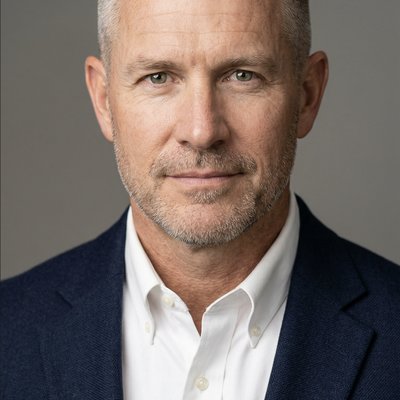
Steve Kerr’s Message Isn’t Just Words — It’s a Wake-Up Call
Steve Kerr, head coach of the Golden State Warriors, didn’t come out with a buzzer-beater or a playoff game. He spoke in a quiet room, but his words landed like a thunderclap. “We’re going backward,” he said. Not “we’re struggling.” Not “we’re facing challenges.” He said we’re going backward.
That’s not a headline. That’s not a soundbite. That’s a man who’s watched the game for decades. Who’s seen players rise, teams fall, and families thrive — or not. I’ve seen Kerr in person. He’s not dramatic. He’s not a showman. He’s a coach who knows what it takes to win — and what it takes to lose.
So why is he saying this now? And more importantly — why should you care?
Because the American Dream isn’t just about homes or jobs. It’s about stability. It’s about your child walking into a classroom without fear. It’s about your paycheck covering rent, groceries, and maybe even a little left for a family dinner. It’s about not being trapped by debt.
But here’s the kicker: we’re seeing more people fall into easy-money traps — lottery tickets, crypto promises, “buy now, pay later” loans. Treasury Secretary Scott Bessent called it out directly. He winced at the idea of “get-rich-quick” schemes. He said they lead farther from financial stability — not closer.
And yet, in New York City, brokers are talking big at REBNY events. Netflix’s Owning Manhattan is turning real estate into a show. People are making millions on pipelines. But how many of those people are actually helping the middle class?
Big Money, Big Risk — But Who’s Really Winning?
Let’s talk numbers. The Big 12 just signed a five-year private equity deal. That’s not a rumor. That’s fact. It’s the first major college sports conference to do it. The deal is worth millions — but how many of those dollars are going to the student-athletes? To the families in the stands?
Private equity is big. It’s powerful. But it’s also risky. And when it’s only for the few, it’s not the American Dream. It’s a privilege.
And look at what’s happening in the real estate world. At the 37th REBNY Residential Deal of the Year Benefit & Celebration, real estate brokers like Genesis Suero and Nile Lundgren are talking about $100 million pipelines. That’s real money. But is it real opportunity?
Here’s a thought: if your daughter is learning to speak English at home, and you’re working two jobs, is a $100 million pipeline helping her? Or is it just another headline?
Think about Meghan Markle’s daughter, Lilibet. She’s four. She’s learning American accent. She’s growing up in a world of privilege. But what about the girl in your neighborhood — the one whose mom is working late, whose dad is driving a second job? What’s her path?
And that’s where Steve Kerr’s message hits hard. It’s not just about sports. It’s about fairness. It’s about whether the system still works for the average family.
Financial Literacy Isn’t a Luxury — It’s a Lifeline
Scott Bessent, Treasury Secretary, didn’t just warn about easy money. He hosted a financial literacy fair. Over 50 D.C. students showed up. They played games. They toured vaults. They learned how money works — not how to win the lottery, but how to build a life.
That’s real. That’s tangible. That’s the kind of thing that changes lives. But it’s not flashy. It doesn’t go viral on Netflix.
And here’s the truth: financial literacy isn’t just for kids. It’s for moms. For veterans. For women like you, who are holding things together while the world spins faster.
Think back to your own life. When did you first learn how to read a bank statement? When did you understand interest? When did you know how to say “no” to a loan that seemed too good to be true?
That’s not a small thing. That’s the foundation of the American Dream.
But here’s the kicker: the government is trying to open up private equity to 401(k)s. That sounds big. But experts warn it’s risky. Not every family can handle that kind of investment. And if the system isn’t fair, then it’s not helping anyone.
So what’s the answer? It’s not more deals. It’s not more pipelines. It’s not more reality TV. It’s not more “Owning Manhattan” moments.
It’s education. It’s real, hands-on learning. It’s parents teaching kids how to budget. It’s schools teaching kids how to save. It’s communities making sure no one gets left behind.
The Real Big Test: Are We Building for Everyone?
Steve Kerr didn’t say this to start a fight. He said it because he sees the game. He sees the players. He sees the fans. He sees the future.
And he’s asking: are we building a game that works for everyone? Or just the ones who already have the ball?
Look at the numbers. The Big 12 got a five-year private equity deal. That’s real. That’s documented. But what about the average college student? What about the single mom working two jobs? What about the veteran trying to start a business?
They don’t have access to private equity. They don’t have a Netflix show. They don’t have a $100 million pipeline.
But they do have something powerful: the right to try. The right to learn. The right to build.
And that’s the heart of the American Dream. Not fame. Not fortune. But the chance to grow.
So when Steve Kerr says we’re going backward, he’s not just talking about sports. He’s talking about values. He’s talking about fairness. He’s talking about what kind of country we want to be.
And you know what? That’s not just a coach’s opinion. It’s a father’s concern. It’s a veteran’s truth. It’s the voice of someone who’s seen what works — and what doesn’t.
So let that sink in. The game is changing. The world is moving fast. But if we’re going backward, then it’s time to stop. Time to turn around. Time to build something real.
What You Can Do — Right Now
Here’s the thing: you don’t need a $100 million pipeline. You don’t need a private equity deal. You don’t need a Netflix camera crew.
You just need to start.
Teach your daughter how to read a bank statement. Sit down with your son and talk about saving. Ask your local school if they offer financial literacy programs. Check with your church, your community center, your library.
Because real change doesn’t come from the top. It comes from the kitchen table. From the living room. From the quiet moments when a parent says, “Let’s learn this together.”
And if you’re wondering if it matters — ask yourself this: when your grandchild asks, “How did we get here?” — what will you say?
Will you say, “We let the rich get richer and the rest of us struggle”? Or will you say, “We taught our kids how to build. We taught them how to save. We taught them how to be strong.”
That’s the real test. That’s the real big.
Key Takeaways
- Steve Kerr’s warning — “We’re going backward” — reflects growing concern about the erosion of real opportunity for average Americans.
- The Big 12’s five-year private equity deal highlights how big money is moving into sports, but raises questions about fairness and access for everyday families.
- Financial literacy, promoted through events like those hosted by Treasury Secretary Scott Bessent, is a proven path to stability — not flashy wealth.
- Real change starts at home: teaching kids budgeting, saving, and responsible money habits builds the foundation of the American Dream.
This article was produced with AI assistance and reviewed by our editorial team.
Frequently Asked Questions
Why is Steve Kerr warning that we’re going backward on the American Dream?
Kerr made the comment in a recent interview, emphasizing that despite wealth and visibility in some circles, many Americans are falling behind. He’s calling for a renewed focus on fairness, opportunity, and financial education — not just wealth accumulation.
What is the Big 12’s five-year private equity deal, and why does it matter?
The Big 12 became the first major college sports conference to sign a league-wide private equity deal, reported by ESPN NCAAF Carolina. While it brings in revenue, critics question how benefits are shared with student-athletes and the broader public.
How is financial literacy being promoted in the U.S.?
Treasury Secretary Scott Bessent hosted a financial literacy fair in D.C. for over 50 students, with games and vault tours, as reported by Fox News Politics. The event is part of broader efforts to promote real financial education over get-rich-quick schemes.