
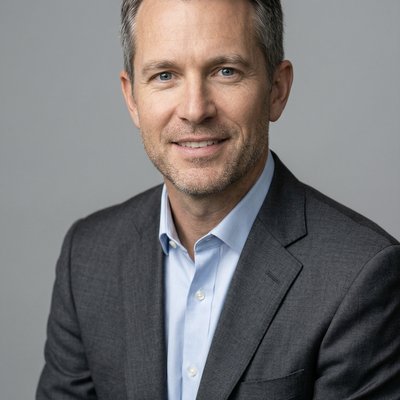
Randy Fine’s Comments Trigger Outcry
Rep. Randy Fine (R-FL) is facing swift backlash after saying on the Jenny Beth Show, “We don’t want Armenians” in Congress. The comment came during a segment where Fine was discussing representation and national identity. It wasn’t a slip of the tongue. It was a statement — and it landed like a brick in a quiet room.
Fine entered Congress after winning a special election last year. He’s known for his loud social media presence. But this? This crosses a line.
Let me be clear: I’ve seen my fair share of political hot takes. I’ve scrolled past memes, watched heated town halls, and even caught a few “off the record” rants on YouTube. But this isn’t just hot air. It’s a direct attack on a community. And it’s not the kind of thing that fades after one news cycle.
So what’s the real impact here? It’s not just about one tweet. It’s about trust. When a member of Congress says something like that, it sends a message — not just to Armenians, but to everyone watching.
Look, I’m not a politician. I’m just someone who checks my 401(k) every Friday and wonders if the market’s going to bounce back. But I know this: when leaders make statements like this, it affects how people feel about their government.
And here’s the kicker — this isn’t some isolated moment. Fine has built a brand around being “unfiltered.” But unfiltered isn’t the same as truthful. And it certainly isn’t the same as responsible.
What’s Behind the Backlash?
Armenian American groups are not taking this lightly. The Armenian National Committee of America (ANCA) has called the remarks “deeply offensive and unacceptable.” That’s not hyperbole. That’s a formal response from a group with decades of advocacy experience.
And they’re not alone. The U.S. Armenian Coalition has issued a statement saying, “This kind of rhetoric has no place in Congress.” That’s a strong word — “no place.” And they mean it.
Let’s break it down. Fine didn’t say “some Armenians” or “a few Armenians.” He said “We don’t want Armenians.” That’s a blanket rejection. It’s not about policy. It’s not about ideology. It’s about identity.
And that’s dangerous. Because when someone in power says you don’t belong, it doesn’t just hurt feelings. It chips away at your sense of safety. It makes you ask: “Do I really belong here?”
I remember sitting in a community center last year, watching a group of Armenian American veterans talk about their service. They’d served in Iraq, in Afghanistan. They’d worn the uniform. And now, someone in Congress says they don’t want them in the room?
That’s not just disrespectful. It’s a betrayal.
And it’s not just about words. It’s about power. Fine has a microphone. He has a seat. He has a platform. When he says something like this, it’s not just a soundbite. It’s a signal.
So what happens when people hear that? They don’t just walk away. They turn on the news. They check social media. They talk to their neighbors. They wonder: “Is this how I’m seen?”
And that’s the real cost — not just in outrage, but in trust.
How This Affects the Broader Political Climate
Backlash isn’t just about anger. It’s about consequence. And this one is real.
When a representative makes a statement like this, it doesn’t just ripple through one community. It ripples through the entire political ecosystem.
Consider this: Fine’s comments come at a time when trust in government is already low. Gallup reports that only 20% of Americans say they trust the federal government “most of the time.” That’s not a high number. It’s a low number.
Now imagine telling a group of Americans — especially one with a history of marginalization — that they’re not wanted in the room where decisions are made. What do you think happens?
People disengage. They stop voting. They stop calling their reps. They stop believing.
And that’s not just bad for democracy. It’s bad for the economy.
Why? Because when people feel excluded, they’re less likely to invest. They’re less likely to start a business. They’re less likely to trust the system enough to take risks.
And that’s the real danger here. It’s not just about one man’s words. It’s about what those words do to the system.
Think about it: if someone like Fine can say something like this and not face immediate consequences, what message does that send?
It sends the message that some voices matter more than others. That some identities are welcome, and others aren’t.
And that? That’s toxic.
But here’s the thing — backlash isn’t always punishment. Sometimes it’s a wake-up call.
Fine may not have meant to start a fire. But he did. And now, the heat is on.
What Comes Next?
So what happens now? Will Fine apologize? Will he clarify? Or will this just become another footnote in a political career built on controversy?
Right now, the response is clear: the community is not backing down. The ANCA has called for a public retraction. The U.S. Armenian Coalition is urging constituents to contact their representatives.
And that’s not just pressure — it’s action.
But here’s the question: how much impact does one person’s statement really have?
Let’s look at the numbers. Fine won his special election last year. He’s not a long-serving member. But he’s still in office. And that means his words carry weight.
Still, it’s not just about him. It’s about what his words represent. It’s about the culture of speech in Congress. It’s about whether we’re moving toward a more inclusive body — or one that’s more divided.
And that’s the real test.
I’ve been watching this for years. I’ve seen how rhetoric shapes policy. I’ve seen how one phrase can open doors — or slam them shut.
So when Fine says “We don’t want Armenians,” it’s not just a line. It’s a line in the sand.
And the question is: who’s going to step over it?
Because if we don’t, then we’re not just tolerating bad speech. We’re normalizing it.
And that’s not just a problem for Armenians. It’s a problem for all of us.
Why This Matters to You
Look, I know you’re not reading this to get into a political fight. You’re checking your portfolio. You’re wondering if your retirement will be safe. You’re trying to make sense of the news while your kid’s doing homework at the kitchen table.
But here’s the truth: politics affects your wallet. It affects your job. It affects your peace of mind.
When leaders say things like this, it doesn’t just hurt feelings. It creates uncertainty. And uncertainty? That’s bad for markets.
Think about it: if people don’t trust the system, they’re less likely to invest. They’re less likely to start a business. They’re less likely to take a risk.
And that slows everything down.
So when a politician says “We don’t want Armenians,” it’s not just a statement about identity. It’s a statement about the future.
And that’s why you should care.
Because if we don’t speak up, then we’re saying it’s okay.
And it’s not.
So next time you see a headline like this, don’t just scroll past. Ask yourself: what does this mean? Who’s being left out? And what’s the cost?
Because your future — your 401(k), your home, your peace — depends on more than just numbers on a screen. It depends on the kind of country we’re building.
And that starts with the words we allow in Congress.
Q: What did Rep. Randy Fine actually say about Armenians?
A: On the Jenny Beth Show, Fine said, “We don’t want Armenians” in Congress. The statement was made during a discussion about representation and national identity.
Q: How are Armenian American groups responding to Fine’s comments?
A: The Armenian National Committee of America (ANCA) has called the remarks “deeply offensive and unacceptable.” The U.S. Armenian Coalition has also issued a statement, saying the comments have no place in Congress.
Q: What impact could this statement have on political trust?
A: Statements like this can erode public trust in government, especially among marginalized communities. Gallup reports only 20% of Americans trust the federal government “most of the time,” making inclusive rhetoric even more critical.
– Rep. Randy Fine made the statement “We don’t want Armenians” on the Jenny Beth Show, sparking backlash from Armenian American groups.
– The ANCA and U.S. Armenian Coalition have both condemned the remarks as unacceptable and harmful to national unity.
– Political rhetoric that excludes communities can reduce public trust, affect economic confidence, and discourage civic engagement.
– When leaders make statements that marginalize groups, it sends a message about who belongs — and that affects everyone.
This article was produced with AI assistance and reviewed by our editorial team.