

Global Market Chaos Reaches the American Kitchen Table
When you sit down to review your family budget or check your retirement accounts, the last thing you want to see is a sudden, sharp decline caused by foreign turmoil. Unfortunately, that is exactly what unfolded Thursday morning. Red arrows dominated Wall Street as major indices, including the S&P 500, Dow Jones Industrial Average, and Nasdaq futures, took a significant plunge. The cause of this sudden financial skid? A reignited crisis in the Middle East that has sent global crude oil prices surging.
According to comprehensive reporting from CNBC and NBC News, optimism surrounding potential peace talks or a meaningful ceasefire between the United States and Iran has rapidly faded. As that hope evaporated, investors panicked. The immediate result was a stark sell-off of U.S. stocks and bonds, while the price of crude oil spiked upward by more than two percent. For American families, particularly those meticulously managing household expenses and planning for retirement, this international standoff is not just a distant headline—it is a direct threat to your wallet.
The New York Times bluntly noted that the Iran crisis has reignited the oil price surge, while Reuters highlighted how stocks and bonds are actively skidding in response. When global crude prices jump, that increase immediately trickles down to the local gas pump. Furthermore, because nearly every consumer good in the United States travels by truck, higher diesel fuel prices inevitably lead to more expensive groceries, clothing, and household necessities. The chaos in the Middle East operates as a hidden tax on American families who are already grappling with the daily pressures of inflation.
Iran Plays Dangerous Games in the Strait of Hormuz
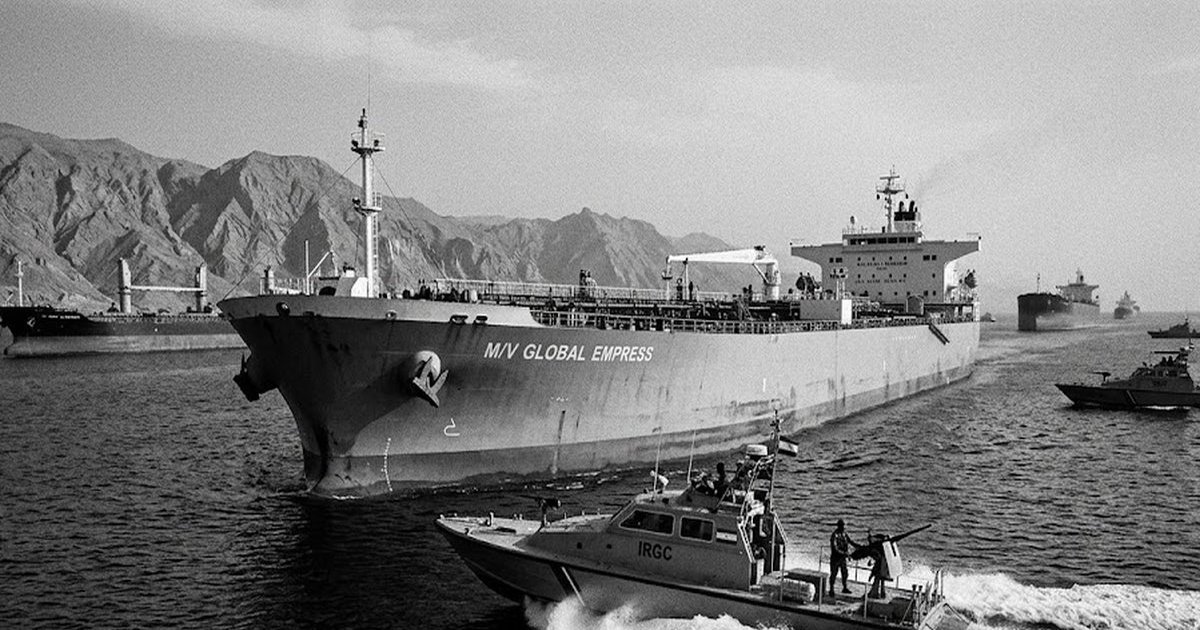
To understand why the stock market is trembling, we must look directly at the aggressive tactics employed by Tehran. The Strait of Hormuz serves as the world’s most critical chokepoint for global oil supplies. By exerting control over this narrow waterway, Iran holds immense leverage over international commerce. A recent report from ABC News paints a staggering picture of the reality on the water: roughly 2,000 ships currently sit stranded, caught in the crossfire of geopolitical maneuvering.
In a thinly veiled attempt to project power while claiming innocence, Iran’s Ministry of Foreign Affairs submitted a letter to the United Nations asserting that they have opened the Strait of Hormuz to “non-hostile” vessels. This phrasing represents a calculated diplomatic game. By unilaterally deciding which ships qualify as “non-hostile,” Iran effectively levies a toll of compliance and fear on international shipping lanes. They create an environment of profound uncertainty, which is the exact ingredient that causes oil prices to soar and the S&P 500 to fall.
President Donald Trump recently weighed in on the crisis, noting that Iran allowed ten oil ships to pass through the Strait of Hormuz as a “present” to the United States. While Trump highlighted that his administration has “very substantial talks going on with respect to Iran,” he also publicly warned Iranian negotiators to “get serious.” The reality remains that Iran uses these isolated gestures—like releasing a handful of ships while thousands remain stranded—to stall for time and manipulate the global energy market.
Diplomatic Deadlock and Fading Optimism
Despite President Trump’s firm stance and ongoing diplomatic efforts, the Iranian regime continues to resist meaningful negotiation. CNBC reports that Iran signaled it has absolutely no intention of holding direct talks with the United States, even as they review proposed diplomatic frameworks. This stubborn refusal to engage directly underscores a deeply ingrained hostility toward American interests and a willingness to weaponize global trade to achieve their strategic goals.
The financial markets hate uncertainty above all else. When NBC News reports that stocks fell amid mounting doubts over these potential U.S.-Iran talks, they highlight the fragile nature of our interconnected global economy. Investors watched Asia-Pacific markets trade mixed overnight, reacting to Iran ruling out direct negotiations. The message from Wall Street is clear: no one believes Tehran is acting in good faith. By rejecting direct communication, Iran prolongs the crisis, keeps oil prices artificially high, and inflicts ongoing financial damage on American consumers and retirees.
This diplomatic deadlock reveals the fundamental flaw in relying on hostile foreign powers to behave reasonably. Iran understands that their grip on the Strait of Hormuz gives them the ability to send shockwaves through the American stock market. They view the stranded ships and the rising cost of crude oil as leverage. Until the United States and its allies assert overwhelming strength and secure these vital shipping lanes, Tehran will continue to play these dangerous, costly games.
The Urgent Conservative Case for Energy Independence
The events unfolding in the Strait of Hormuz highlight a crucial reality that conservatives have championed for decades: true security requires absolute American energy independence. Why should a mother in Ohio or a grandmother in Texas see her grocery bills rise and her 401(k) shrink because a hostile regime in the Middle East decides to stall peace talks and blockade international waters? The answer is simple: we remain far too vulnerable to the whims of foreign oil markets.
When the S&P 500 falls simply because Iran issues a veiled threat at a maritime chokepoint, it serves as a glaring warning light for our national economic policy. The United States sits on an ocean of untapped domestic energy resources. By unleashing American drilling, expanding our domestic refining capacity, and fully utilizing our natural gas reserves, we can insulate our economy from these foreign shocks. A nation that produces its own energy dictates its own future.
The current crisis demands a return to fundamental conservative principles. We must project unwavering strength on the world stage, refusing to tolerate Iranian blockades or diplomatic extortion. Domestically, we must prioritize policies that encourage energy production right here at home. Until we achieve total energy dominance, American families will remain collateral damage in the geopolitical games played by hostile foreign powers. It is time to secure our economic borders, drill for our own resources, and protect the financial future of the American middle class from the chaos of the Middle East.
Frequently Asked Questions
Why is the Strait of Hormuz so important to the global economy?
The Strait of Hormuz serves as a critical global shipping route where roughly 20 percent of the world’s oil supply passes through daily. When Iran threatens or blocks this chokepoint, it immediately causes global crude oil prices to spike, which increases costs for everyday Americans.
How does this international conflict affect my retirement savings?
Uncertainty in the Middle East often causes investors to panic, leading to sell-offs in major stock indexes like the S&P 500 and the Dow Jones. If you hold a 401(k) or mutual funds, these global shocks can temporarily reduce the value of your hard-earned portfolio.
Are the United States and Iran currently holding direct peace talks?
Despite reviewing diplomatic proposals, Iran’s government publicly rejected direct negotiations with the United States. President Trump urged negotiators to get serious, but optimism for an immediate, meaningful ceasefire has faded significantly across the globe.
This article was produced with AI assistance and reviewed by a human editor for accuracy and clarity. For more about our editorial standards, visit our About page.