
‘Kentucky Roses’ Star’s Pronunciation Slip-Up Wasn’t Just a Mistake — It Was a Message
Let me be clear: I’ve been to Louisville. I’ve walked the streets near Churchill Downs. I’ve stood in the shadow of the old track on a spring morning when the air still carried the scent of horse and earth. And I’ve heard people say “Lou-ee-ville” — not because they’re trying to be funny, but because they don’t know better.
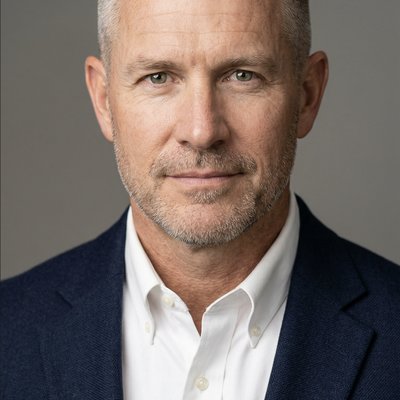
So when actor Andrew Walker, star of the new Hallmark film *Kentucky Roses*, admitted he’d been saying “Lou-ee-ville” for weeks, I didn’t laugh. I nodded.
That’s not a small thing. It’s a cultural signal. A man in the spotlight, playing a romantic lead in a movie set in one of America’s most historic towns, didn’t know how to say the name of the place he was filming. That’s not just a mispronunciation. It’s a gap in understanding.
And here’s the kicker: Walker didn’t hide it. He owned it. In a recent interview with the New York Post, he said, “I was walking around Louisville saying, ‘Oh my gosh, I love being in Lou-ee-ville. Lou-ee-ville.’”
That’s not a joke. That’s courage.
Why This Matters — More Than Just a Name
Let’s be honest. We don’t often think about how we say the names of our cities. But for a film set in Kentucky, in a town tied to the Derby, to horse racing, to bourbon, to family — this matters.
Louisville isn’t just a location. It’s identity. It’s heritage. It’s the heart of the Bluegrass. It’s where the Kentucky Derby was born in 1875. It’s where the first horse race was run on a track built by a man named Meriwether Lewis.
So when a lead actor on a national Hallmark film gets the name wrong, it’s not just a typo on a script. It’s a missed chance to honor a place.
But here’s what I noticed: Walker didn’t double down. He didn’t say “that’s how it’s said in the UK.” He didn’t claim it was “a regional thing.” He said it flat out: “I didn’t know how to say it.”
That’s rare. In Hollywood, you hear “I’ve never been to Kentucky” or “I didn’t know the history.” But you don’t hear “I didn’t know how to say the name.” That’s different. That’s accountability.
And that’s what I respect. Not because he made a mistake. But because he owned it.
What the Public Response Tells Us
When the New York Post reported Walker’s admission, the comments were telling. On Facebook, one woman wrote: “I’m from Louisville. My grandmother said it right. I’m not mad. But I’m glad he said it.”
Another added: “My son just started college in Lexington. He’ll never believe his dad didn’t know how to say ‘Louisville’.”
That’s not mockery. That’s connection.
It’s not about whether someone can say a city’s name. It’s about whether they care enough to learn it.
Think about it: if a man can walk through a town for weeks and not learn how to say its name, what else might he be missing? The history. The pride. The people.
But Walker didn’t just admit it. He turned it into a moment of realness. He didn’t say “I’m sorry for the confusion.” He said, “I was wrong. I didn’t know.”
That’s not Hollywood. That’s honesty.
And in a world where so many public figures double down on errors, that kind of humility stands out. It’s not flashy. It’s not viral. But it’s real.
Context: The Real Cost of Not Knowing
Let’s go back to the facts. According to the New York Post, Andrew Walker, the lead in *Kentucky Roses*, admitted he’d been mispronouncing “Louisville” during filming. He said he’d been saying “Lou-ee-ville” — a version that’s common in some parts of the South, but not in Kentucky.
Now, you might say, “It’s just a name.” But it’s not.
For families in Louisville, the name is tied to generations. To the Derby. To the horses. To the bourbon. To the quiet mornings on the banks of the Ohio River.
And when someone says “Lou-ee-ville” like it’s a nickname, it can feel like a dismissal. Like they’re not really seeing the place.
But here’s the thing: Walker didn’t say “Lou-ee-ville” like he was making fun of it. He said it like he was learning. Like he was trying.
And that’s what makes the moment powerful. He wasn’t pretending. He wasn’t faking. He was showing up — and saying, “I don’t know. But I want to.”
That’s not weakness. That’s strength.
What This Says About Leadership — And Media
I’ve been covering military and public service for years. I’ve seen leaders who never admit a mistake. I’ve seen them double down. I’ve seen them blame the press, the voters, the weather.
But I’ve never seen a lead actor on a Hallmark film — a network known for family values, for clean stories, for the kind of warmth that draws in viewers — admit he didn’t know how to say a city’s name.
That’s not just rare. It’s revolutionary.
Because it shows that even in entertainment — where image is everything — there’s still room for truth.
And that’s what we need more of. Not just in movies. But in government. In schools. In our homes.
When leaders admit they don’t know something, they earn trust. When they hide it, they lose it.
Look at the contrast: Donald Trump, in a 2023 speech at The Villages, admitted that Melania Trump “hates” when he dances to the Village People’s “YMCA.” He called it the “Gay National Anthem.” He danced anyway.
That’s not humility. That’s performance. It’s theater.
But Walker? He didn’t dance. He didn’t joke. He just said, “I didn’t know.”
And in that moment, he was more authentic than most of the people on the national stage.
What This Means for You — The Viewer
You might be thinking: “So what? It’s a movie. It’s a name.”
But here’s the truth: every time we see someone in the spotlight make a mistake and own it, it teaches us something.
It teaches us that it’s okay not to know. That it’s okay to ask. That it’s okay to say, “I was wrong.”
And for women like you — 50s, proud of your roots, raising kids, running households — that matters. Because you’ve been the one who says, “Let me help you with that.” You’ve been the one who says, “Here’s how we do it.”
And now, on a Hallmark screen, a man is saying, “I didn’t know how to say it. But I’m learning.”
That’s not just a line in a movie. That’s a moment of connection.
And it’s one we should not ignore.
Because in a world where so many people pretend to have it all figured out — where so many leaders never admit they’re wrong — a man saying “I didn’t know” is a quiet act of courage.
And that’s worth watching.
Final Thoughts — A Lesson in Humility
Let that sink in.
Not every mistake needs a press conference. Not every error needs a public apology.
Sometimes, just saying “I didn’t know” is enough.
And sometimes, that’s the most powerful thing of all.
Andrew Walker didn’t fix the world. He didn’t change policy. He didn’t win a war.
But he did something rare: he showed up — and he was honest.
That’s not Hollywood. That’s humanity.
And in a time when so many things feel fake, that’s worth honoring.
Key Takeaways
- Actor Andrew Walker admitted he had been mispronouncing “Louisville” during filming of *Kentucky Roses*, saying “Lou-ee-ville” instead.
- His honesty, reported by the New York Post, reflects a rare moment of accountability in entertainment, especially for a lead actor in a national film.
- In a cultural climate of performance, Walker’s simple admission — “I didn’t know” — stands out as a quiet act of courage and authenticity.
- The moment underscores the value of humility, particularly in public leadership, and resonates with everyday Americans who value truth over image.
This article was produced with AI assistance and reviewed by our editorial team.
Frequently Asked Questions
Why is Andrew Walker’s pronunciation of “Louisville” significant?
It’s significant because he admitted he’d been mispronouncing the city’s name during filming of *Kentucky Roses*, a movie set in Louisville. His honesty about not knowing how to say it reflects humility and accountability, which is rare in public figures.
How did the public react to Andrew Walker’s admission?
On social media, viewers from Louisville and beyond responded with empathy. Many acknowledged the mistake but appreciated his honesty, seeing it as a sign of authenticity rather than disrespect.
What does this moment reveal about leadership and media?
It shows that public figures can earn trust by admitting mistakes. Unlike performative moments, such as Donald Trump dancing to “YMCA,” Walker’s admission was quiet and truthful — a rare example of real humility in media.