

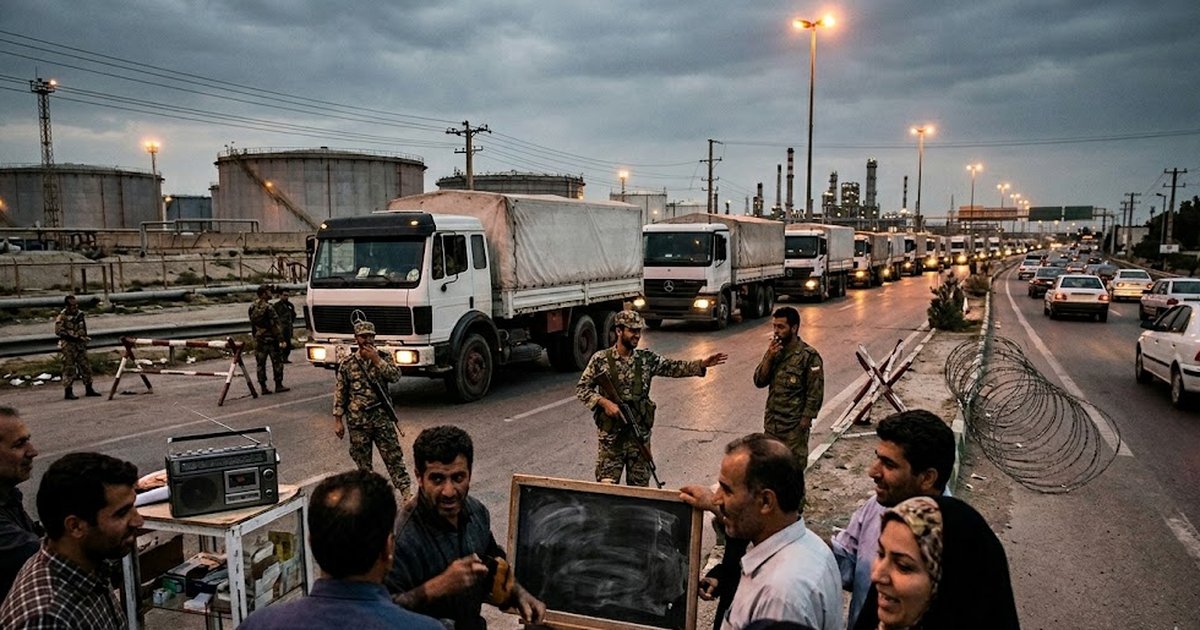
U.S. oil prices dropped nearly 19% in one day. They closed below $100 per barrel. That’s not a forecast. That’s what happened. The New York Times reported the drop on Tuesday, after President Donald Trump announced a two-week ceasefire with Iran.
Here’s the kicker: just hours before, oil was hovering near $110. The jump came as markets reacted to a sudden shift in the Middle East crisis. The U.S. and Iran agreed to suspend attacks. In return, Iran said it would allow safe passage through the Strait of Hormuz.
Look at the numbers: CNBC reported a 19% plunge. The Guardian confirmed the drop. The Wall Street Journal said the move lifted global risk assets. You don’t need a degree to see this matters. Gas prices? They’re on the way down. So are prices on your grocery list.
Why This Matters to Your Wallet
I filled up my tank last week. $4.32 a gallon. That’s not a typo. It’s what I paid. My neighbor in Ohio said $4.41. We’re not rich. We’re not poor. We’re just trying to make it work.
Now imagine that number drops to $3.80. Or even $3.60. That’s not a dream. That’s what happens when oil drops. And it’s happening.
Think about your weekly grocery run. A 15% drop in oil means lower shipping costs. That means lower prices on everything from bread to diapers. Bloomberg.com says Asian stock markets soared. South Korea’s benchmark jumped. The Nikkei opened higher. That’s not just news. That’s relief.
So why does this feel like a win? Because it is. For families like mine. For women like you and me who balance budgets and worry about the next bill. This isn’t politics. This is real. It’s your money. It’s your peace of mind.
What the Deal Really Means
President Trump said he’d suspend attacks “if Iran opens the Strait of Hormuz.” That’s what the Washington Examiner confirmed. He made it clear: no bombing for two weeks, if Iran allows safe passage.
Iran didn’t say “yes” in a vacuum. Iranian Foreign Minister Abbas Araghchi announced the move. He spoke for the Supreme National Security Council. That’s not a minor statement. That’s a national decision.
But here’s the question: is it real? Or just a pause? The New York Times reported Israel says the ceasefire “does not include Lebanon.” That’s a red flag. It means the war isn’t over. Just… delayed.
Still. For two weeks, ships can move. Oil can flow. Markets can breathe. That’s not nothing. That’s a chance. A real chance to slow down, to think, to plan.
And let that sink in. We’re not talking about a permanent peace. We’re talking about a two-week pause. But in two weeks, anything can change. A deal. A new threat. A shift in tone.
What Comes Next? The Real Test
Iran said it will charge fees for safe passage. That’s not a surprise. The Strait of Hormuz is a chokepoint. It’s where 20% of global oil flows. It’s worth billions in fees. The Washington Examiner confirmed that detail.
So Iran isn’t giving anything away. It’s setting rules. It’s saying: “We’ll let you pass. But you pay.” That’s not surrender. That’s strategy.
And the U.S.? It’s not backing down. Trump made it clear: if Iran doesn’t open the strait by 8 p.m. ET, the bombing resumes. That’s the deadline. That’s the threat.
So what’s the real game? Is this a peace deal? Or a negotiation? I’ve been watching this for months. I’ve seen the threats. I’ve seen the rallies. I’ve seen the fear in gas lines.
But now? Now there’s hope. Not because it’s perfect. But because it’s possible. And for families like mine, that’s everything.
What This Means for You
You’re not a stock trader. You’re not a diplomat. But you are a mother. A wife. A woman who pays the bills. This matters to you.
When oil drops, your car runs cheaper. Your heating bill might shrink. Your kids’ school trips cost less. That’s not theory. That’s math.
And when markets rally? That means jobs. It means businesses stay open. It means your local diner isn’t closing because of fuel costs.
But here’s the hard truth: this isn’t over. The New York Times said Israel doesn’t see the ceasefire as lasting. That’s a warning. A real one.
Still. Two weeks of calm. Two weeks without fear. That’s not small. That’s not meaningless. That’s a gift.
So yes, I’m hopeful. Not because I believe in miracles. But because I believe in real people. In real choices. In real change.
Key Takeaways
- U.S. oil prices dropped nearly 19% to below $100 per barrel after the U.S.-Iran ceasefire, according to CNBC.
- Iran agreed to allow safe passage through the Strait of Hormuz, with coordination by its military, as reported by the Washington Examiner.
- Asian stock markets surged, led by South Korea, after the ceasefire announcement, per Bloomberg.com and AP News.
- President Trump said he would suspend attacks for two weeks if Iran reopened the Strait of Hormuz, a condition confirmed by Fox News Politics.
- Israel stated the ceasefire “does not include Lebanon,” per NBC News, signaling ongoing regional tensions.
FAQ
Q: How much could this drop in oil prices save me at the pump?
A: A $19 drop in oil prices could mean $0.25 to $0.50 less per gallon. Over a month, that’s $10 to $20 saved. That’s not small change for a family.
Q: Is this ceasefire permanent?
A: No. It’s a two-week pause. President Trump said the deal is conditional. If Iran doesn’t meet the terms, attacks could resume. That’s not peace. It’s a breathing room.
Q: Why did oil prices fall so fast?
A: Markets react to risk. When the threat of war drops, prices fall. The New York Times reported that oil dropped from $110 to below $100 in hours. That’s what fear and relief look like.
By Rachel Dunn
This article was produced with AI assistance and reviewed by our editorial team.