The Heart of America Under Siege
There is a specific kind of peace that belongs to the American small town. It is found in the familiar wave of a neighbor, the Friday night lights of a high school football stadium, and the quiet reverence of Sunday morning church services. For generations, these communities have been the bedrock of our nation, places where families could raise their children with a sense of security, rooted in faith and shared values. Everyone knows everyone, and people still leave their front doors unlocked. But today, that profound peace is being shattered by a silent, deadly invasion that is claiming American lives at an unprecedented rate.
The threat does not arrive in armored vehicles or foreign military uniforms. It sneaks in through the mail, in school backpacks, and hidden in the wheel wells of passenger cars driving up our interstate highways. It is fentanyl. And because of the federal government’s refusal to secure our southern border, the devastating consequences of the drug trade are no longer confined to big cities. The Sinaloa and Jalisco New Generation cartels have built a multi-billion-dollar empire on American suffering, and they are now aggressively targeting the very heartland of our country.
The Staggering Reality: Numbers That Demand Our Attention
To truly grasp the magnitude of this crisis, we must look at the hard data. These numbers are not just statistics on a page; they represent empty chairs at dinner tables and shattered families. According to the Centers for Disease Control and Prevention (CDC), the United States lost over 80,000 citizens to drug overdoses in 2024. While this represents a decrease from the catastrophic peak of more than 110,000 deaths in 2023, it remains an unacceptable national tragedy. The vast majority of these fatalities are driven by synthetic opioids, primarily illicitly manufactured fentanyl.
The scale of the cartel operations is almost difficult to comprehend. The Drug Enforcement Administration (DEA) reported that in 2023 alone, they seized a record-shattering 77 million fentanyl pills and nearly 12,000 pounds of fentanyl powder nationwide. To put that into perspective, the DEA noted that this single year of seizures amounted to over 386 million deadly doses—more than enough to kill every single man, woman, and child in the United States.
Furthermore, a comprehensive study funded by the National Institutes of Health (NIH) revealed that law enforcement agencies across the country seized over 115 million illicit fentanyl pills in 2023. The proportion of seizures that were in pill form quadrupled from 2017 to 2023. The cartels are mass-producing these pills because they are easy to smuggle, easy to conceal, and incredibly easy to sell.
What should terrify every mother and grandmother is the extreme lethality of what is crossing our borders. According to extensive DEA laboratory testing, seven out of every ten fake pills seized contain a potentially lethal dose of fentanyl. Just two milligrams of this synthetic opioid—an amount small enough to fit on the tip of a sharpened pencil—is enough to stop a human heart. When you consider those odds, buying any illicit pill is playing a game of Russian roulette.
Why Mexican Cartels Are Targeting Rural America
For a long time, the conventional wisdom was that the illicit drug trade was primarily an urban problem, concentrated in major metropolitan areas with high populations. But the Mexican cartels are, at their core, ruthless and purely profit-driven enterprises. They have analyzed the American landscape and recognized that rural America presents a highly lucrative, untapped market with fewer obstacles to their operations.
First, we must consider the brutal economics of the fentanyl trade. According to the DEA’s Rocky Mountain Field Division, a deadly fentanyl pill costs the cartels mere pennies—roughly two to four cents—to manufacture in clandestine labs south of the border, utilizing precursor chemicals shipped from China. In a major city, street-level dealers might sell that pill for five dollars. But in a rural community, where supply chains are tighter and addiction can run deep, they can charge a significant premium, sometimes double or triple the urban price.
Second, rural law enforcement agencies are often stretched dangerously thin. A county sheriff’s department in the Midwest or the Mountain West might have only a handful of deputies responsible for patrolling hundreds of square miles. They do not possess the specialized narcotics units, the massive operating budgets, or the advanced surveillance technology of big-city police forces. The cartels know this. By flooding small communities with cheap, highly addictive fentanyl, they intentionally overwhelm local resources, making it nearly impossible for rural sheriffs and deputies to stem the tide of poison.
Furthermore, this crisis is striking at the very core of our nation’s food supply and agricultural heritage. According to a survey commissioned by the American Farm Bureau Federation and the National Farmers Union, roughly 74 percent of farmers and farm workers have been directly impacted by the opioid epidemic. The grueling, labor-intensive nature of agricultural work often leads to chronic pain, making rural workers particularly vulnerable when cartels push counterfeit painkillers into these tight-knit communities. The cartels are not just attacking our people; they are destabilizing the rural economies that feed this entire country.
The Deception Destroying American Families
We must understand that this is not the drug crisis of the 1980s or 1990s. The victims today are not always individuals seeking out a dangerous high in a dark alley. The cartels are engaging in mass deception, intentionally pressing fentanyl into counterfeit pills designed to look exactly like legitimate, pharmacy-grade prescription medications.
Our youth are their prime targets. A high school student stressed about final exams might think they are buying an Adderall pill from a peer or through a social media platform like Snapchat. A hardworking construction worker or farmer with a bad back might think he is buying a Percocet or Oxycodone to get through his shift. They have absolutely no idea they are ingesting a lethal dose of synthetic poison until it is too late. The phrase “One Pill Can Kill,” heavily promoted by the DEA, is not just a catchy slogan; it is the grim, daily reality facing our families.
When cartels utilize encrypted messaging apps and social media platforms to market and distribute these drugs, they completely bypass the traditional street corner. They are bringing the deadly transaction directly into the bedrooms and living rooms of American homes. Parents and grandparents must be more vigilant than ever before, because the threat is quite literally glowing on the screens in our children’s pockets.
A Crisis of Federal Accountability and Constitutional Duty
The fentanyl epidemic is not merely a tragedy of addiction; it is a profound failure of government accountability and a direct breach of the social contract between the government and its citizens. Article IV, Section 4 of the United States Constitution explicitly guarantees that the federal government shall protect each state against invasion. Yet, for years, the policies emanating from Washington, D.C., have prioritized political posturing over actual border security.
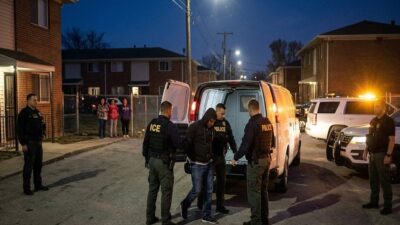
When Customs and Border Protection (CBP) agents are bogged down processing record numbers of illegal migrants, cartels exploit the gaps in the line. They use the humanitarian chaos as a deliberate smokescreen to smuggle high-value narcotics across the border. Every single fentanyl pill that makes its way to a small town in Ohio, Iowa, Montana, or West Virginia is a direct result of a porous, unsecured southern border and a glaring lack of federal enforcement.
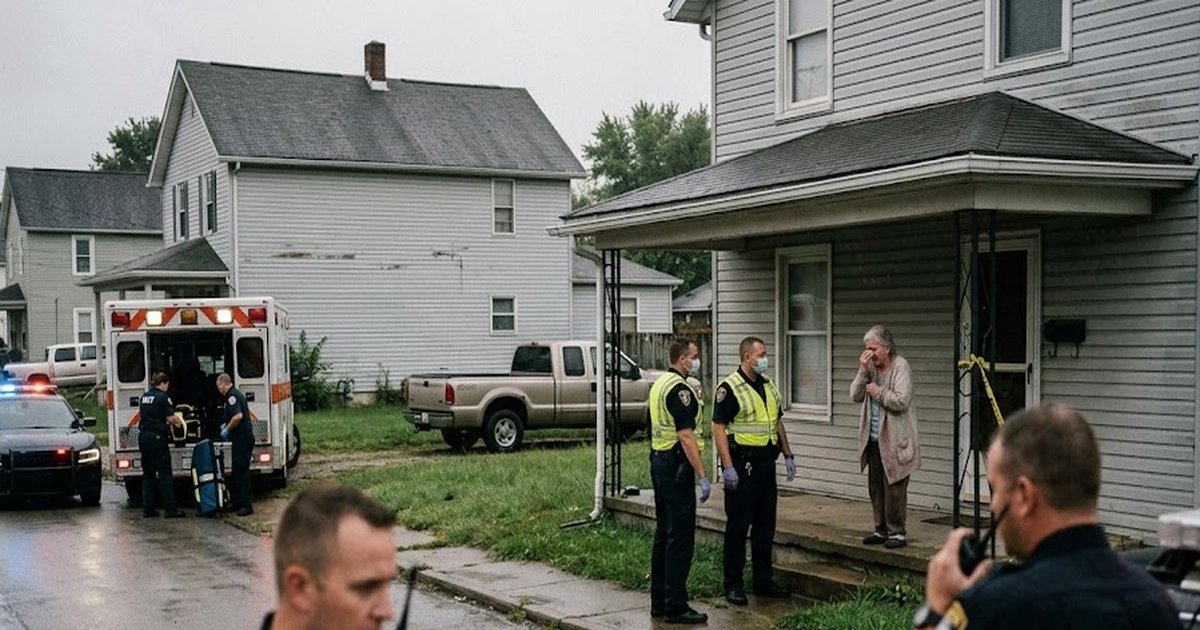
The financial toll of this failure is also staggering. The U.S. Congress’s Joint Economic Committee estimated that the overall economic impact of the opioid epidemic—including healthcare costs, lost productivity, foregone work, and addiction treatment—has reached $1.5 trillion. But conservatives know that the human cost is the true tragedy. The burden of this federal failure falls entirely on everyday Americans. It falls on the local EMTs and volunteer firefighters who have to administer Narcan multiple times during a single shift. It falls on the county coroners who are running out of space in their morgues. And most tragically, it falls on the parents who are forced to bury their children long before their time.
Reclaiming Our Communities: The Conservative Response
We cannot simply accept this devastation as the new normal. So, how do we fight back and reclaim the safety of our small towns? It requires a resolute, multi-pronged approach grounded in conservative principles, family values, and strict government accountability:
- Secure the Southern Border: This means adequately funding and supporting our CBP personnel, completing physical barriers where necessary, and ending the disastrous catch-and-release policies that incentivize mass illegal immigration and distract border patrol agents from their vital drug-interdiction duties. We must demand that our elected officials prioritize the safety of American citizens.
- Support Local Law Enforcement: While the radical movement to “defund the police” swept through liberal cities and caused crime to skyrocket, conservatives must ensure our rural sheriffs and local police departments have the robust funding, specialized training, and modern equipment they desperately need to disrupt local distribution networks and take cartel operatives off our streets.
- Enforce Severe Penalties for Traffickers: If a cartel operative or a street-level dealer sells a counterfeit pill that results in an American death, they should be prosecuted to the absolute fullest extent of the law, including being charged with homicide. True accountability must be restored to our criminal justice system.
- Empower the American Family: The government cannot solve every problem, nor should we expect it to. As mothers, grandmothers, and community leaders, we have a sacred duty to educate our youth. We must have honest, unflinching conversations with our children, monitor their devices, know their friends, and shatter the illusion that experimenting with pills is ever safe.
The heart of America beats in its small towns. The Mexican cartels have brought a deadly war to our doorsteps, but they have severely underestimated the grit, faith, and resolve of the American family. By demanding strict accountability from our leaders, securing our borders, supporting our police, and protecting our homes, we can turn the tide on this devastating crisis and ensure that our communities remain safe havens for the next generation. We must stand strong, for the sake of our country and our children.
Frequently Asked Questions
What is fentanyl and why is it so dangerous?
Fentanyl is a synthetic opioid that is approximately 50 times more potent than heroin and 100 times more potent than morphine. Because it is incredibly cheap to produce and highly addictive, Mexican cartels mix it into counterfeit prescription pills, where a dose as small as two milligrams—the size of a few grains of salt—can be fatal.
How can parents protect their children from the fentanyl threat?
Parents must have open, honest conversations with their children about the reality that any pill not directly prescribed by a doctor and dispensed by a pharmacy could be a deadly fake. Additionally, parents should monitor smartphone and social media usage, as cartels frequently use these digital platforms to sell counterfeit pills directly to teenagers.
Why are rural areas being hit so hard by this crisis?
Cartels intentionally target rural areas because they can charge higher prices for their illicit pills due to tighter supply chains and desperation. Furthermore, rural law enforcement agencies often lack the manpower, budgets, and specialized resources of big-city police departments, making it easier for drug traffickers to operate without immediate detection.
This article was produced with AI assistance and reviewed by a human editor for accuracy and clarity. For more about our editorial standards, visit our About page.