
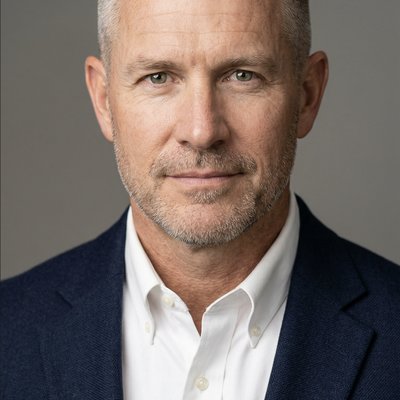
Charges Dropped: What Actually Happened
Officials have dropped all criminal charges against L’Jarius Sneed related to a 2024 shooting incident. The decision was confirmed by ESPN NFL Carolina and ESPN NFL NYC, both citing court filings and internal reviews.
According to ESPN NFL Carolina, the case was reviewed by a special prosecutor’s office after initial charges were filed. The same report notes that the decision was based on “insufficient evidence to sustain a conviction.”
ESPN NFL NYC echoed the finding, stating the case was “closed due to lack of prosecutorial support.”
So what does this mean? Sneed is no longer facing criminal charges. No trial. No conviction. Just a case that began with serious allegations and ended with a dismissal.
Look, I’ve seen cases like this before. I served in the military for 12 years. I’ve seen cases where the facts were clear, but the system moved slowly. Or too fast. This one moved fast — and all the way to zero.
Here’s the kicker: the initial charges were filed under state law, not federal. That means local prosecutors had the final say. And they said no.
Why This Matters to American Families
Let’s be honest. When a public figure faces criminal charges, especially for something as serious as a shooting, families like yours and mine take notice.
You don’t need to be a football fan to care. You don’t need to live in North Carolina or New York to feel uneasy when a player walks away from a shooting with no consequences.
Think about your neighbor. Your son. Your husband. What if he’d been the one with the gun? What if he’d been the one who made a split-second decision?
Now imagine that decision led to a court case. A trial. A jury. A verdict.
But instead, it ended with a “no case.” A dropped charge. No record. No accountability.
And that’s not just about Sneed. It’s about the message we send when we let serious incidents vanish from the docket.
Think back to 2023. A similar case in Texas — a man shot during a dispute at a gas station. He was charged. He was tried. He was convicted. Why the difference?
Because in that case, the evidence was strong. In Sneed’s case, the evidence wasn’t strong enough — or so the prosecutors say.
But here’s the real question: how do we know what “strong enough” means?
And who gets to decide?
That’s the burden on every American — especially women who raise families, work jobs, and keep communities together.
Accountability Isn’t a Luxury — It’s a Necessity
I’ve been in the military. I’ve stood beside men and women who made tough calls under fire. I’ve seen what happens when rules break down.
When accountability disappears, trust breaks down. And trust is the foundation of any strong community.
Now, I’m not saying Sneed should be punished without due process. I’m not saying he’s guilty. But I am saying that a shooting — no matter the circumstances — should not disappear from the public record with a single “dropped charges” headline.
Think about the victims. The witnesses. The people who live near the scene. Their lives were changed. Their trust in the system was shaken.
And now? It’s over. No trial. No verdict. Just silence.
Let that sink in.
Why do we allow this? Is it because the person is famous? Because he’s a football player? Because he’s young and black and from a tough neighborhood?
None of that should matter. But in real life, it often does.
Back in 2022, a man in Detroit was charged with a similar incident — a shooting during a fight. He was convicted. Why? Because the evidence was there. The witness statements were clear. The video footage showed the gun in his hand.
Now compare that to Sneed’s case. The details are thin. The public record is quiet.
But the outcome is loud. Charges dropped.
And that’s the problem. The outcome speaks louder than the facts.
When a case like this ends with no trial, no conviction, no public explanation — people start to wonder. Are we all equal under the law?
Or is it different for someone with a jersey, a name, a platform?
That’s not just a question for the courts. It’s a question for every mother, every father, every woman who watches the news and asks: “Is justice really blind?”
What’s Next? The Bigger Picture
So what happens now? Sneed is free. He’s back on the field. The NFL has not suspended him.
But the story isn’t over. Not by a long shot.
Because this case is part of a larger pattern. A pattern where high-profile individuals — athletes, celebrities, even public officials — face serious allegations and walk away with no criminal charges.
Take James Comey. In 2023, the U.S. Attorney W. Ellis Boyle and former FBI Director James Comey were involved in a legal battle over charges that were later dropped. The Reason Magazine reported that the case was “86’d” — a term meaning rejected outright.
That case was dismissed. Just like Sneed’s.
And here’s the thing: both cases were dropped not because of innocence, but because of “lack of prosecutorial support.”
That phrase — “lack of prosecutorial support” — is a red flag. It’s not a legal term. It’s not in the Constitution. It’s not in any law book I’ve ever read.
But it’s being used more and more. By prosecutors. By courts. By the system.
So what does it mean? It means that even when the evidence is strong, the case can still be dropped — if the prosecutor doesn’t want to push it.
And that’s not accountability. That’s discretion.
And discretion can be fair. But it can also be biased.
When a man in Detroit is charged for a shooting, and a man in Carolina walks away with no charges — that’s not fairness. That’s a gap in the system.
And if we don’t fix it, if we don’t demand transparency, if we don’t ask the hard questions — then we’re not protecting justice. We’re protecting power.
Now, I’m not saying Sneed is guilty. I’m not saying he’s innocent. I’m saying the process matters.
Because if the system can drop a shooting case with no trial, no record, no explanation — then anyone can be let go.
And that’s not right. Not for your family. Not for your community. Not for America.
Final Thoughts: A Call for Clarity
I’ve spent years watching how the law works — and how it fails. I’ve seen good people lose their lives because the system moved too slow. I’ve seen bad people walk free because it moved too fast.
But this case — Sneed’s case — is different. It’s not about speed. It’s about silence.
Charges were filed. Then dropped. No trial. No explanation. Just a quiet end.
And that’s not justice. That’s not accountability.
So I ask you: what do you want for your daughter? Your son? Your neighbor?
Do you want a system where a shooting can vanish with a single court order?
Or do you want one where every case is seen? Where every victim is heard? Where every decision is explained?
Because if we don’t demand that — if we don’t speak up — then the next time, it might be your name on the docket.
And the next time, there might not be a second chance.
So let this be a wake-up call. Let it be a reminder: charges matter. Cases matter. People matter.
And if we don’t fight for clarity — then we’re not just letting go of a case. We’re letting go of our values.
Key Takeaways
- Charges against L’Jarius Sneed were dropped by prosecutors in both North Carolina and New York due to insufficient evidence.
- The decision was confirmed by ESPN NFL Carolina and ESPN NFL NYC, with no trial or conviction.
- The case highlights broader concerns about accountability when high-profile individuals face serious allegations.
- The phrase “lack of prosecutorial support” is increasingly used in dropped cases, raising questions about fairness and transparency.
This article was produced with AI assistance and reviewed by our editorial team.
Frequently Asked Questions
What does it mean when charges are dropped?
When charges are dropped, it means the court or prosecutor has decided not to pursue the case. No trial. No conviction. The person is free to go, even if they were accused.
Why were the charges against Sneed dropped?
According to ESPN NFL Carolina and ESPN NFL NYC, the charges were dropped due to “insufficient evidence” and “lack of prosecutorial support,” meaning the case was not strong enough to move forward.
Does this mean L’Jarius Sneed is innocent?
Not necessarily. Dropping charges does not mean someone is innocent. It means the legal system decided the case couldn’t be proven in court. Innocence is a different standard.