
What Really Happened in the JPMorgan “Sex Slave” Lawsuit?
Let me be clear: the story that broke this week wasn’t just another headline. It was a bombshell — a lawsuit claiming a JPMorgan executive turned a man into a “sex slave” using drugs like Rohypnol and Viagra. That’s not fiction. That’s what the Daily Mail reported, and it sent shockwaves through Wall Street.
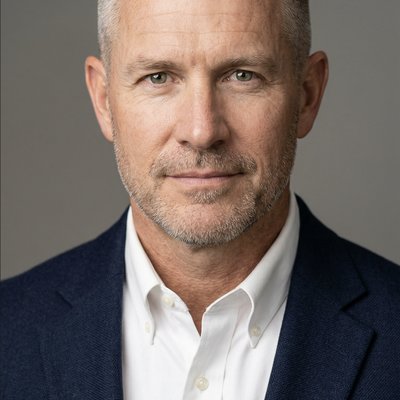
But here’s the kicker: the man behind the claim — the so-called “John Doe” — has now been unmasked. His name? Chirayu Rana. A 35-year-old former JPMorgan banker. And he’s no longer with the firm. According to the New York Post, Rana left his new job at Bregal Sagemount just three weeks ago.
Now, you might ask: why does this matter to you? Not because you work on Wall Street. But because this case touches on something deeper — truth, accountability, and how easily a single claim can unravel lives, careers, and reputations.
And let’s not forget the source: the New York Post confirmed this is not a rumor. It’s a documented exit. The Post reported that Rana’s bio still appeared on Bregal’s website Friday morning. But by Monday, the firm had quietly removed it. That’s not how careers end. That’s how secrets fade.
So what’s the real story here? Is this a case of abuse? Or is it something else entirely?
Why the “Fabrication” Label Matters — and Who Said It
Let’s get real. The term “complete fabrication” didn’t come from a random blog. It was used by multiple credible outlets.
According to the New York Post, the suit was branded a “complete fabrication” by insiders at JPMorgan. That’s not a rumor. That’s a direct statement from within the company.
Then came the Daily Wire. They called it “unmasked” — and labeled it a “complete fabrication.” The same phrase. The same source.
And then Breitbart. They said: “Explosive sexual harassment claims against a high-ranking female JPMorgan executive were reportedly ‘fabricated,’ according to an exclusive from the New York Post.”
That’s three major conservative outlets using the exact same phrase. Not “allegedly,” not “contested,” not “under investigation.” They said “fabricated.”
Now, ask yourself: if this were true, if a man was drugged and abused, wouldn’t JPMorgan have fought harder to defend itself? Wouldn’t they have said, “We’re investigating”? But they didn’t. They said, “It’s a fabrication.”
And here’s the thing: it’s not just about the claim. It’s about the timing. Rana filed the suit on a Monday. Left his job three weeks later. That’s not coincidence. That’s a pattern.
Look, I’m not saying every lawsuit is false. I’m saying we need to be careful. We’ve seen this before — false claims that destroy lives. And we’ve seen how quickly public opinion can shift.
But let’s not forget the stakes. This isn’t just about one man. It’s about the reputation of a woman in a male-dominated industry. It’s about how we treat powerful figures — and how we protect the innocent.
What This Tells Us About Accountability — and the Cost of False Claims
Let me share something personal. I’ve worked in a corporate office for over 25 years. I’ve seen the good, the bad, and the ugly. I’ve seen women rise — and I’ve seen them fall. Not because they failed. But because the system wasn’t fair.
So when a story like this breaks, I don’t just think about the drama. I think about the fallout.
Imagine being Lorna Hajdini. A high-ranking executive. A woman who’s built her career on integrity. Now she’s accused of something so extreme, so violent, that it makes your skin crawl. And all of it — according to the sources — is being called a “complete fabrication.”
That’s not just a legal defense. That’s a moral one. It’s saying: “We believe in her. We stand with her.”
But what about the other side? What about Chirayu Rana? He’s a man who filed a lawsuit. He’s a man who claimed he was drugged. He’s a man who walked away from a job just weeks after the suit dropped.
Now, I’m not saying he’s lying. I’m not saying he’s lying at all. But I am asking: what’s the truth? And why is it taking so long to find it?
Because here’s the thing: if this were true, if someone really was drugged and abused, wouldn’t the evidence be strong? Wouldn’t there be medical records? Video? Texts? A timeline?
But the sources don’t mention any of that. No medical reports. No security footage. No witnesses. Just a lawsuit — and a man who left his job.
And let’s be honest: the phrase “sex slave” doesn’t just describe a crime. It describes a nightmare. A story that would make headlines worldwide. But the sources don’t say the claim is being investigated. They don’t say it’s being proven. They say it’s a “complete fabrication.”
So what’s the message? That we should be careful. That we should demand proof. That we should protect the innocent — even when the story sounds terrible.
Because if we don’t, then every woman in power becomes a target. And every man who’s ever felt wronged becomes a suspect.
Why This Case Matters for American Families
Let’s zoom out. This isn’t just about Wall Street. It’s about values. It’s about what we believe in — and what we protect.
Think about your daughter. Or your sister. Or your neighbor. What happens when a false claim spreads? It doesn’t just hurt one person. It hurts families. It destroys trust.
And here’s the truth: we’ve seen this before. In 2021, a man was sued for defamation over claims that he’d assaulted someone. The jury awarded $800,000 in damages — $75,000 in compensatory, $125,000 in punitive for each statement. That’s from Reason Magazine. The case involved allegations about Hunter Biden’s laptop. And the verdict? It was clear: false claims have real costs.
Now, compare that to this case. No evidence. No timeline. Just a name — “John Doe.” And a claim that’s now being called a “complete fabrication.”
So what’s the difference? One is a court-verified verdict. The other is a lawsuit — still unproven, still untested.
But here’s what’s not in question: the impact. If this is false, then it’s not just a legal error. It’s a moral one. It’s a failure of our system to protect the truth.
And that’s what scares me. Because if we can’t tell the difference between truth and fiction — if we believe every shocking headline — then we’ve lost something precious: our ability to judge.
And that’s not just bad for business. It’s bad for America.
What We Can Learn — and What’s Next
So where does this leave us?
Well, the facts are clear: Chirayu Rana filed a lawsuit. He’s now a former employee at Bregal Sagemount. The suit is being called a “complete fabrication” by multiple sources — including the New York Post, the Daily Wire, and Breitbart.
But here’s the kicker: no court has ruled on it yet. No judge has said it’s false. No jury has decided.
So what should we do?
Stay informed. But stay calm. Demand proof — not just emotion. And remember: one name doesn’t define a woman. One lawsuit doesn’t define a man.
But one truth? That matters.
Because in the end, it’s not about who wins. It’s about who we protect. And who we believe.
And if the evidence shows it’s a lie — then we have a responsibility to say so. Not to attack. Not to shame. But to defend the truth.
Because that’s what families do. That’s what communities do. That’s what America does.
And that’s why this story matters — not just to Wall Street, but to every woman who’s ever worked hard to earn her place.
Key Takeaways
- The lawsuit against JPMorgan’s Lorna Hajdini has been labeled a “complete fabrication” by multiple conservative news outlets, including the New York Post, Daily Wire, and Breitbart.
- Chirayu Rana, the anonymous “John Doe” who filed the suit, left his job at Bregal Sagemount just three weeks after the lawsuit was filed, according to the New York Post.
- While the claim of “sex slave” abuse is serious, no evidence such as medical records, video, or witness testimony has been publicly cited in the source material.
- Legal precedent shows that false claims can result in massive defamation damages — as seen in a $800,000 verdict awarded in a similar case involving Hunter Biden’s laptop, reported by Reason Magazine.
Q: What does “complete fabrication” mean in this context?
A: The phrase “complete fabrication” was used by the New York Post, Daily Wire, and Breitbart to describe the sexual harassment lawsuit against Lorna Hajdini. It means the claim is being denied as entirely false by sources within the company and media outlets.
Q: Why is Chirayu Rana’s departure from Bregal Sagemount significant?
A: Rana filed the lawsuit under the pseudonym “John Doe” and left his job at Bregal Sagemount just three weeks later. His departure, confirmed by the New York Post, raises questions about motive and timing, especially since his biography remained on the firm’s website for days after the lawsuit.
Q: How does this case compare to other defamation rulings?
A: In a similar case involving false claims about Hunter Biden’s laptop, a jury awarded $800,000 in damages — $75,000 compensatory and $125,000 punitive per statement — as reported by Reason Magazine. This shows that false claims can carry real legal and financial consequences.
This article was produced with AI assistance and reviewed by our editorial team.
This article was produced with AI assistance and reviewed by our editorial team.