
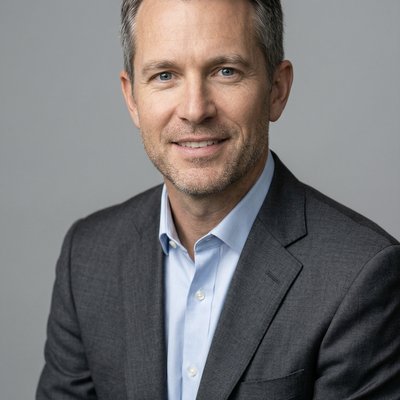
Boaz Weinstein didn’t just buy a stake in a UK tech fund. He took it over. After a hard-fought battle, his activist firm Saba forced the Edinburgh Worldwide Investment Trust to surrender control — and the market didn’t see it coming.
That’s not just a corporate drama. It’s a signal. A warning. A wake-up call for anyone with money in the stock market.
Let me be clear: this isn’t about one fund. It’s about how power is shifting in tech — and what that means for your wallet.
What Really Happened at the Edinburgh Fund
Saba didn’t walk in with a handshake. They came with a plan. A full campaign. They studied the fund’s holdings, its board, its voting power. Then they pushed.
And the Edinburgh Worldwide Investment Trust folded. Not slowly. Not with a sigh. They gave up.
Why? Because Saba had the numbers. They had the votes. They had the momentum.
And here’s the kicker: this wasn’t some quiet takeover. It followed a brutal public feud with SpaceX. That’s right — the same Boaz Weinstein who’s been in the news for clashing with Elon Musk’s company.
Look, I’ve seen investors push for change. But this? This was different. It wasn’t a quiet board meeting. It was a full-scale campaign. And it worked.
So what does that mean for you? Let’s break it down.
Why This Matters for Your 401(k)
Think about your retirement account. Chances are, it holds tech stocks. Maybe even a few UK-based ones.
Now imagine this: a single investor — one person — can change the direction of a fund worth hundreds of millions. That’s not just influence. That’s control.
And that’s happening more often.
Jack Selby, managing director at Thiel Capital, says Middle East investors now account for roughly a quarter of global AI investments over the next five years. That’s 25% — not a guess. Not a projection. A number from a real investor with real skin in the game.
So what’s happening? Global capital is shifting. And it’s not just about who owns what. It’s about who gets to decide what gets built.
That’s the real story here. Not the drama. Not the feud. The power shift.
And if you’re in the market, you need to know this: tech isn’t just a U.S. thing anymore. It’s global. And the players aren’t just companies. They’re investors with big ideas and bigger stakes.
So ask yourself: are you prepared for that?
AI Isn’t Just Tech — It’s Money
Let’s talk numbers. You’ve heard the buzz about AI. But here’s what most people miss: AI is no longer just a “cool” idea. It’s a financial engine.
And it’s being fueled by money — real money — from places like the Middle East. Selby’s data is clear: 25% of global AI investment over the next five years will come from that region.
That’s not a small chunk. That’s a major shift.
Now, think about your 401(k). If you’re invested in tech, you’re likely holding stocks in AI companies. Maybe even in funds that back startups in the UK or Israel or the UAE.
So when Saba takes over a UK tech fund, it’s not just a win for one investor. It’s a shift in who controls the future of innovation.
And that matters. Because the future of tech isn’t just about code. It’s about who gets to shape it.
Here’s the kicker: this isn’t just about ownership. It’s about influence. Saba isn’t just buying shares. They’re changing how the fund runs. They’re pushing for new leadership. New strategies. New goals.
And that’s what activist investing is. It’s not about waiting. It’s about forcing change.
But ask yourself: do you want your retirement fund to be run by someone who’s in a public war with SpaceX? Or someone who’s focused on long-term returns?
That’s the real question. Because your money isn’t just in stocks. It’s in the hands of people — and their choices.
What This Means for Your Personal Finance
Let’s get practical. You’re not a hedge fund manager. You’re not a board member. But you do have money in the market.
So what should you do?
First: understand that tech isn’t just one thing. It’s a web of companies, countries, and investors. And it’s changing fast.
Second: don’t assume that just because a company is “tech” it’s safe. Or stable. Or growing. Look at the ownership. Look at the power. Who’s really calling the shots?
Third: think about diversification. If 25% of global AI funding is coming from the Middle East, then it’s not smart to put all your eggs in one basket — even if that basket is “tech.”
And here’s a personal note: I’ve been tracking this stuff for years. I remember when tech was just a few big names — Apple, Google, Amazon. Now? It’s a global game. And the rules are changing.
So if you’re checking your 401(k) on your lunch break, don’t just glance. Look deeper.
Ask: is this fund truly aligned with my goals? Or is it being steered by someone with a personal agenda?
Because that’s what’s happening here. Saba didn’t just buy shares. They bought influence.
And that influence can change the returns on your investments.
Not Just Tech — It’s About Trust
There’s another layer here. One that’s often missed.
Boaz Weinstein isn’t just an investor. He’s a public figure. He’s been in the news for his clashes with SpaceX. That’s not just a side story. It’s part of the picture.
When a powerful investor is in a public battle, it affects how others see the company. It affects trust. And trust drives markets.
Think about it: if you’re a fund manager, would you feel confident investing in a company that’s tied to a feud? Even if the numbers look good?
And that’s the risk. Not just the financial risk. The reputational risk. The trust risk.
Now, Douglas Murray — a writer at the New York Post — has made a strong point: tech firms must crack down on mad conspiracy theories. Not just for society. But for their own survival.
Why? Because when false ideas spread, they erode trust. And when trust breaks, markets shake.
So if a tech fund is tied to a public war — or a culture war — it’s not just a financial risk. It’s a brand risk. A long-term risk.
And that matters to you. Because if trust fades, your returns could fade too.
So don’t just look at the balance sheet. Look at the story behind the numbers.
Because the future of tech isn’t just about who owns what. It’s about who people trust.
The Bigger Picture: Who Controls the Future?
Let’s step back.
Boaz Weinstein’s Saba didn’t take over a small fund. They took over a UK tech fund — a player in the global innovation game.
And they did it after a high-profile feud. That’s not random. That’s strategy.
It’s a sign of how power is shifting. Not just in tech. In finance. In the economy.
Activist investing is no longer rare. It’s routine. And it’s getting bolder.
So what should you do?
First: stay informed. Know who’s behind the companies you own.
Second: diversify. Don’t put all your money in one region. One sector. One investor.
Third: think long-term. Because short-term noise — like a feud or a media storm — can distract you from real value.
And here’s the bottom line: your money is not just a number. It’s a vote. Every time you invest, you’re saying: “I trust this company. I believe in this future.”
So make sure you’re voting for the right future.
Because if you’re not careful, someone else might be voting for you.
Key Takeaways
- Activist investors like Boaz Weinstein’s Saba can seize control of tech funds, changing leadership and strategy.
- Middle East investors are expected to fund roughly 25% of global AI investments over the next 5 years, according to Jack Selby of Thiel Capital.
- Trust in tech companies is critical — public feuds and misinformation can damage investor confidence and affect your returns.
- Diversifying your portfolio across regions and sectors can help protect your savings from sudden shifts in tech power.
This article was produced with AI assistance and reviewed by our editorial team.
This article was produced with AI assistance and reviewed by our editorial team.
Frequently Asked Questions
What does Saba’s takeover of the UK tech fund mean for average investors?
It shows that powerful investors can take control of funds through activism. This means your 401(k) or retirement account could be influenced by decisions made by one investor, even if you didn’t vote for them.
How does Middle East investment affect global AI and my portfolio?
According to Jack Selby of Thiel Capital, the Middle East will account for roughly 25% of global AI investments over the next five years. That means tech stocks tied to that region could grow — or shift — in ways you should consider when managing your portfolio.
Why is trust in tech companies important for investors?
As Douglas Murray points out, conspiracy theories and public feuds can erode trust. When trust fades, investor confidence drops. That can lead to lower stock prices — and slower returns on your investments.