
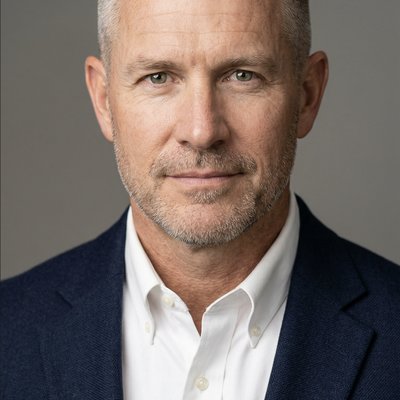
It started with a single post. A teacher in Kaukauna, Wisconsin, shared a message on social media that many would find shocking. “Booth, Guiteau, Czolgosz, Oswald must all be spinning in their graves!” Patrick Meyer wrote. The words were stark. The context? A satirical jab at political violence — but the fallout was real. The school district placed him on leave. Now, the conversation is spreading across America, not just in classrooms, but in living rooms, on Facebook, and in school board meetings.
Why does this matter to you? Because this isn’t just about one teacher. It’s about what we allow in our schools. What we tolerate in public discourse. And whether our children are being taught to respect the rule of law — or to mock it. This is about more than social media. It’s about the values we pass down. The tone we set. And the line between satire and incitement.
1. The Post Used Violent Icons — But Was It a Joke?
Patrick Meyer’s post named four men who committed assassinations: John Wilkes Booth, Leon Czolgosz, Guiteau, and Lee Harvey Oswald. Each was linked to the killing of a U.S. president or public figure. That’s not a casual reference. It’s a direct nod to violence.
But here’s the kicker: Meyer didn’t call for violence. He used irony. The phrase “spinning in their graves” is a common idiom — one used in satire to show disbelief. Still, the words were inflammatory. And the school district acted. They placed him on leave. That’s not punishment. That’s process.
Look, I’ve been in classrooms. I’ve seen how kids absorb what they hear. When a teacher posts something like this, it’s not just a social media post. It’s a message. To students. To parents. To the community. And when the message is about assassins, it’s not just a joke. It’s a responsibility.
2. The Reaction Wasn’t Just About the Words — It Was About the Message
When the post went viral, the response wasn’t just online outrage. It was real. Parents called the school. The district took it seriously. Why? Because this wasn’t just a post on a screen. It was a signal.
First Lady Melania Trump once said, “It’s time for ABC to take a stand.” That was about a late-night comedian’s joke. But the same principle applies here. When a public figure — especially a teacher — uses violent imagery, it sends a message. And if that message is not challenged, it’s accepted.
Think about your own child. Would you want them to hear a teacher say that assassins are “spinning in their graves”? Not as a joke. As a comment. As a way to frame history. That’s not satire. That’s a risk. And schools have a duty to protect the learning environment — even when the speaker is a teacher.
3. Social Media Is Not a Free Zone — Especially in Schools
Teachers are public servants. They wear a badge — not of a badge, but of a promise. To lead. To teach. To model behavior. When they post on social media, they’re not just speaking for themselves. They’re speaking for the classroom.
That’s why the Kaukauna school district didn’t fire Meyer immediately. They placed him on leave. That’s a step. A pause. A chance to reflect. But it’s also a signal: your words have weight. Your platform has power.
Here’s the thing: I’ve seen teachers post things that seemed harmless at the time. Then the comments come in. The parents call. The school board asks questions. It’s not about censorship. It’s about accountability. And if a teacher can’t understand that, then the school has a responsibility to step in.
4. The Line Between Satire and Incitement Is Thin — And It’s Breaking
Yes, the post was satirical. But satire has limits. When you name assassins and say they’re “spinning,” you’re not just making a joke. You’re invoking real pain. Real loss. Real trauma.
Think about it: John Wilkes Booth killed Abraham Lincoln. Czolgosz killed President McKinley. Oswald killed JFK. These weren’t fictional villains. They were real men who caused real suffering. And when a teacher references them in a casual way, it can feel dismissive. Even disrespectful.
And that’s the danger. Not every joke lands the same way. Not every audience hears the same tone. When a teacher posts something like this, it’s not just about the intent. It’s about the impact. And if the impact is to make some students feel uneasy — or worse, to normalize violence — then the school has to act.
5. This Isn’t Just About One Teacher — It’s About What We Allow
What happens when a teacher posts something like this — and no one speaks up? What happens when the school says nothing? When the district does nothing? That sends a message. To students. To parents. To the community.
And the message is clear: you can say anything. On social media. In the classroom. And no one will hold you accountable.
But that’s not what we want for our kids. We want them to know the difference between a joke and a threat. We want them to respect the office of the presidency. We want them to understand that words have power — especially when they come from someone in a position of trust.
And that’s why this matters. Not because of the post. Not because of the teacher. But because of what it says about us. About our values. About our families.
My wife once told me, “You don’t have to agree with everyone. But you have to stand for something.” That’s what this is about. Not punishment. Not censorship. But principle.
Let that sink in.
Key Takeaways
- A teacher’s social media post using violent references can impact student safety and school culture.
- Schools have a duty to respond when public statements challenge national values, even if framed as satire.
- Accountability in public service — especially in education — protects the integrity of our communities and families.
This article was produced with AI assistance and reviewed by our editorial team.
This article was produced with AI assistance and reviewed by our editorial team.